
Product Mira.ai
A nutrition and nausea-management system for pregnant mothers that pairs an Apple Watch wearable with an AI-powered companion app. Mira senses physiological signals, adapts meals to how she's actually feeling, and offers on-demand relief — meeting women in the moments between doctor visits, where most real decisions happen.
Details
Mobile app + Apple Watch
surface
Product Designer
role - passion project
Pearl S (designer) + Hugh.D (mentor)
team members
AI Workflows ∙ Visual & Motion Design ∙ Desk Research ∙ User Testing
scope
Problem The Body Gets Forgotten
Most pregnancy apps count kicks and bump sizes — but miss the realities of nausea, discomfort, and shifting nutrient needs. Women get 10-minute doctor visits and 1 minute of nutrition guidance, then navigate 9 months of real decisions alone.
A wearable-app system that combines clinical insight, predictive sensing, and a custom Apple Watch–compatible strap — sensing nausea before it intensifies, adapting meals to symptoms in real time, and keeping every recommendation human-approved.
Result Projected Impact
A human-in-the-loop concept designed to ease nausea earlier, close nutrient gaps, and rebuild trust in digital pregnancy guidance — replacing fragmented Googling or vague advice with one coherent companion.
15/15
Testers reported greater confidence
Every tester felt more informed and in control during pregnancy decisions
100%
Preferred prescription uploads + context-aware AI
Over traditional pregnancy-tracking solutions
~70%
of pregnancies affected by nausea
Global meta-analytic rate — 69.4%, ranging 35–91% (Einarson et al., PubMed, 2013)
CONTEXT
Mira.ai is a nutrition and nausea-management system for pregnant mothers.
It started because I kept seeing the same pattern around me: friends, cousins, classmates getting pregnant and the support system around them was failing them. Their doctor visits were 10 minutes. Nutrition guidance was one minute. Most of the real decisions were happening between Google and Reddit threads, alone at 2 AM.
PROBLEM
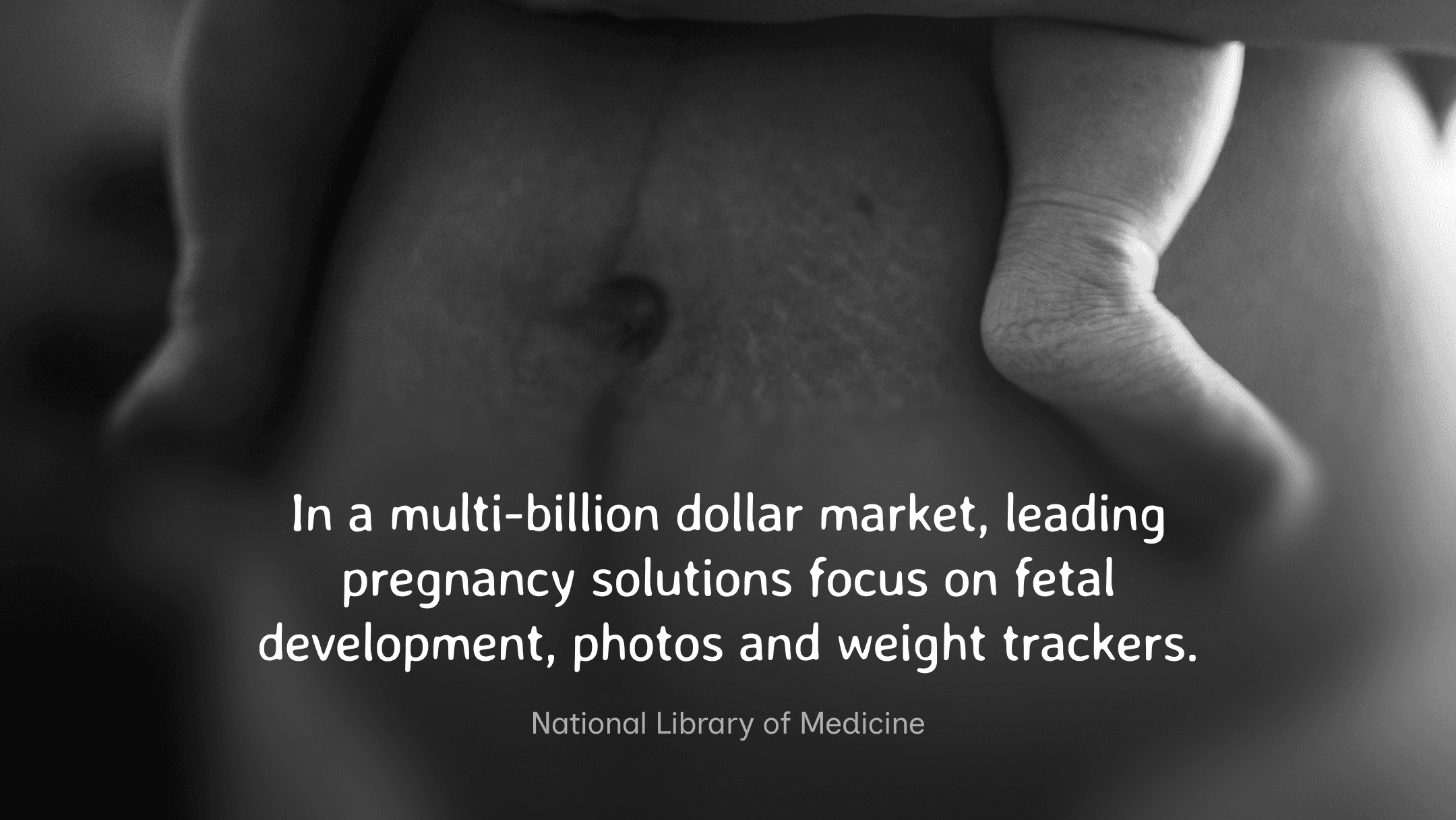
Existing solutions track the baby but ignore the body carrying it.
GOALS + NORTH STAR
To design a companion + digital twin that senses what the mother is feeling, explains what it knows, and acts only with their consent, so pregnancy feels less uncertain and less lonely.
PROCESS + KEY INSIGHTS
SOLUTION
Mira.ai, a nutrition and nausea-management system that adapts to a mother's changing needs.
TECH FRAMEWORK
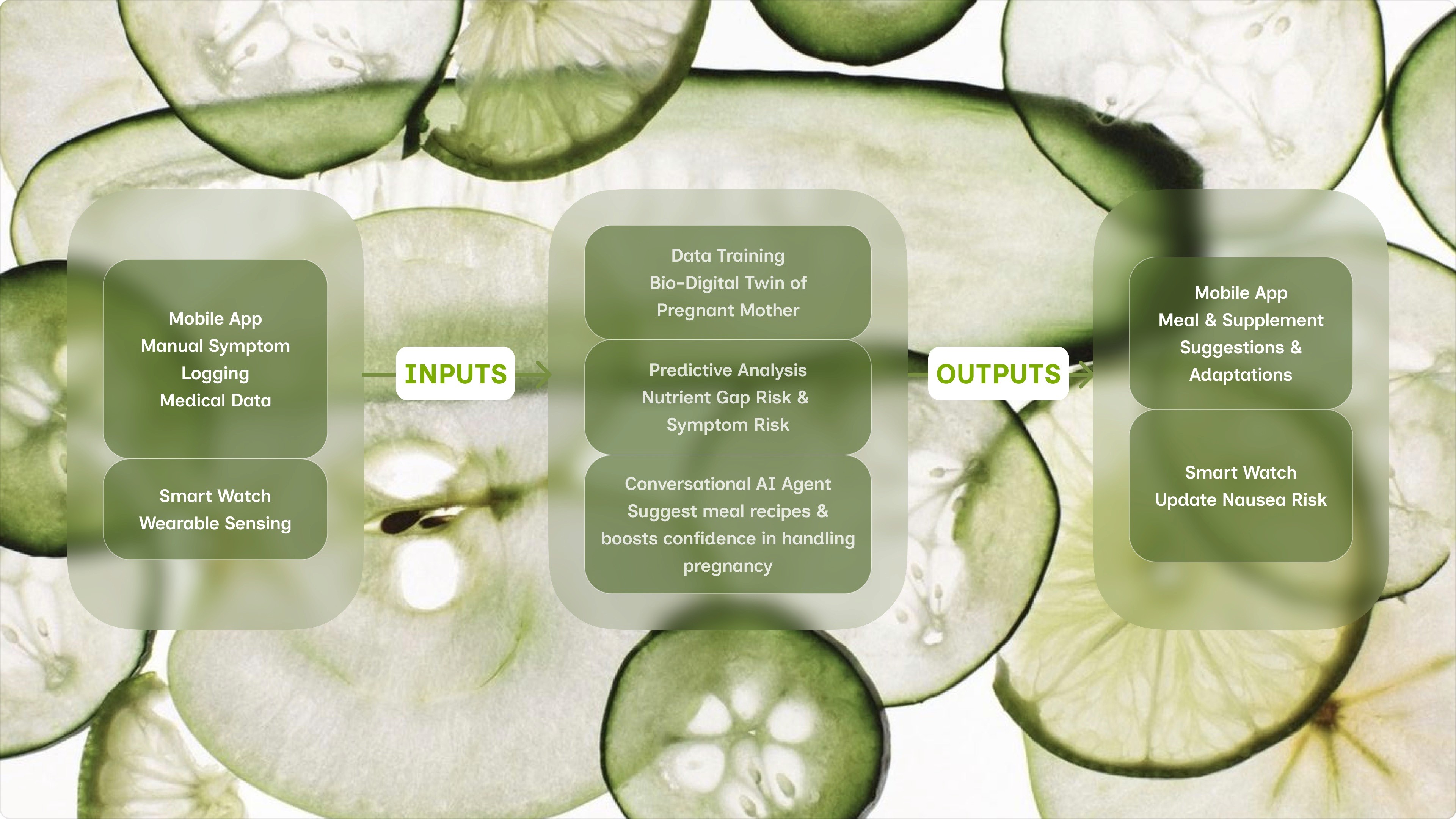
By analyzing symptom logs and wearable signals, Mira.ai builds a bio-digital twin of the mother — identifying nutrient gaps and symptom risks, and offering real-time guidance through the app and smartwatch.
DESIGN 1/6
On the Wrist
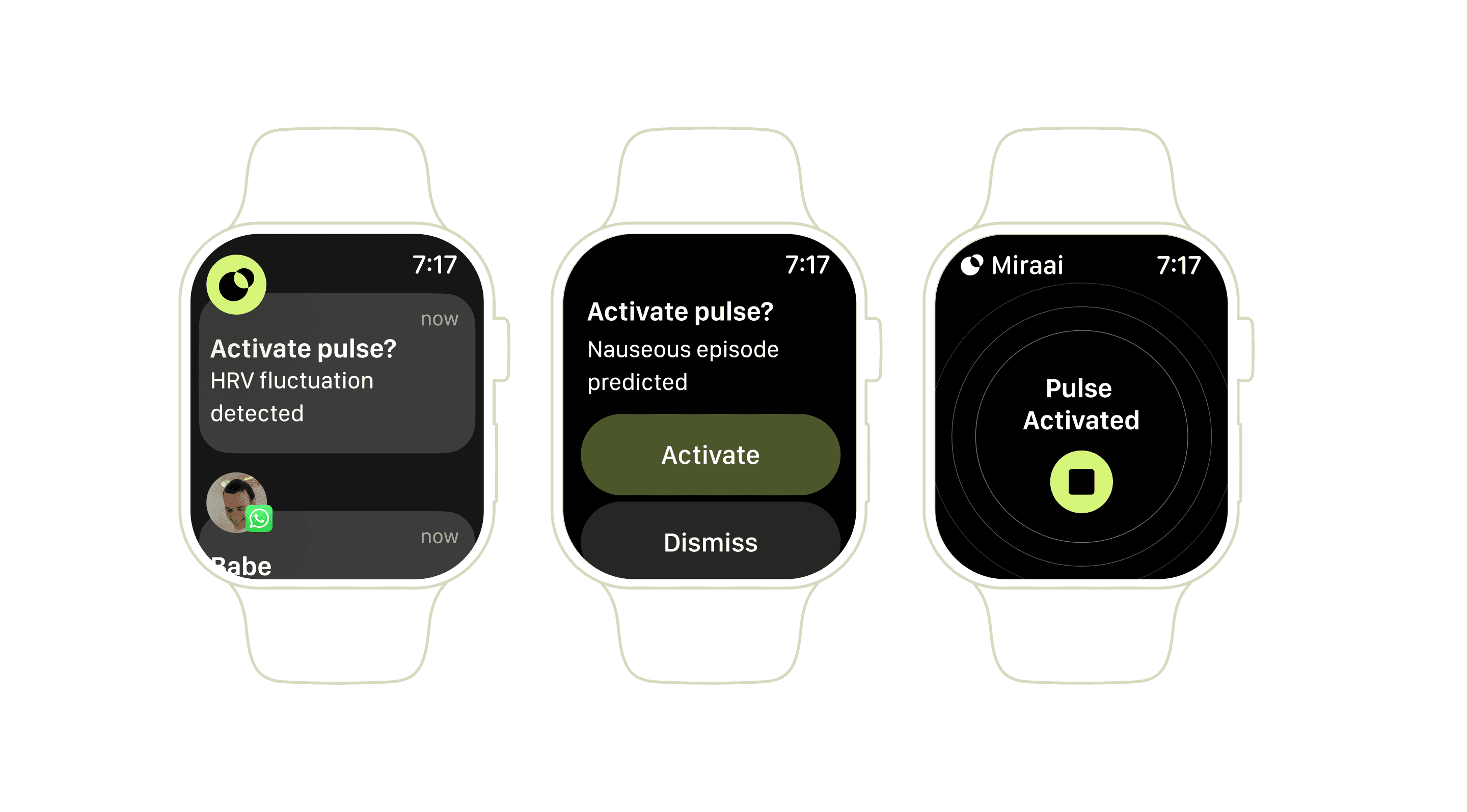
Three Screens, Three Moments
DESIGN 2/6
Onboarding
Uploading the Medical Self
DESIGN 3/6
The Explaination Banner
DESIGN 4/6
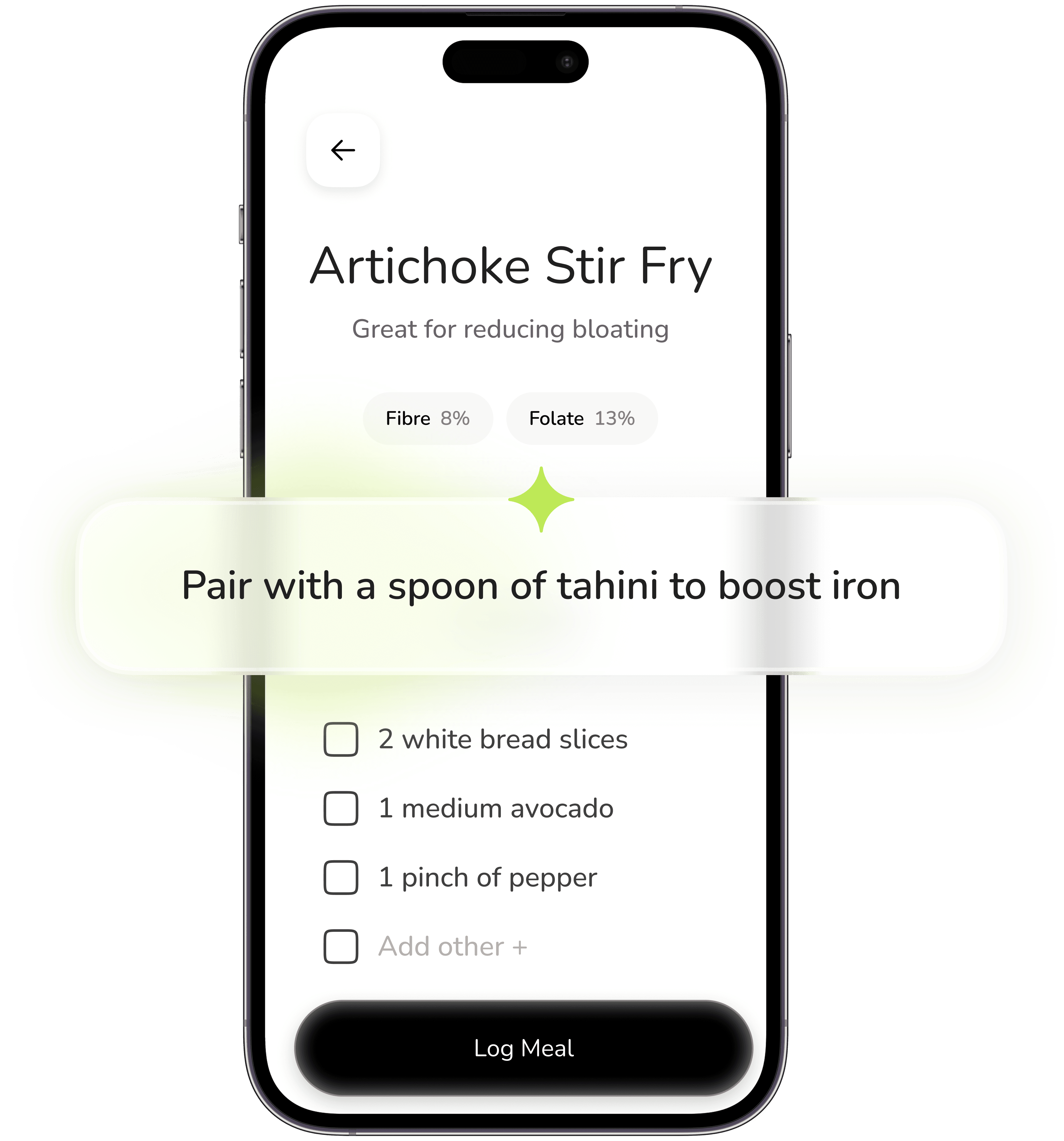
The Adaptive Recipe List
DESIGN 5/6
Nutrient Goals + Meal Logging
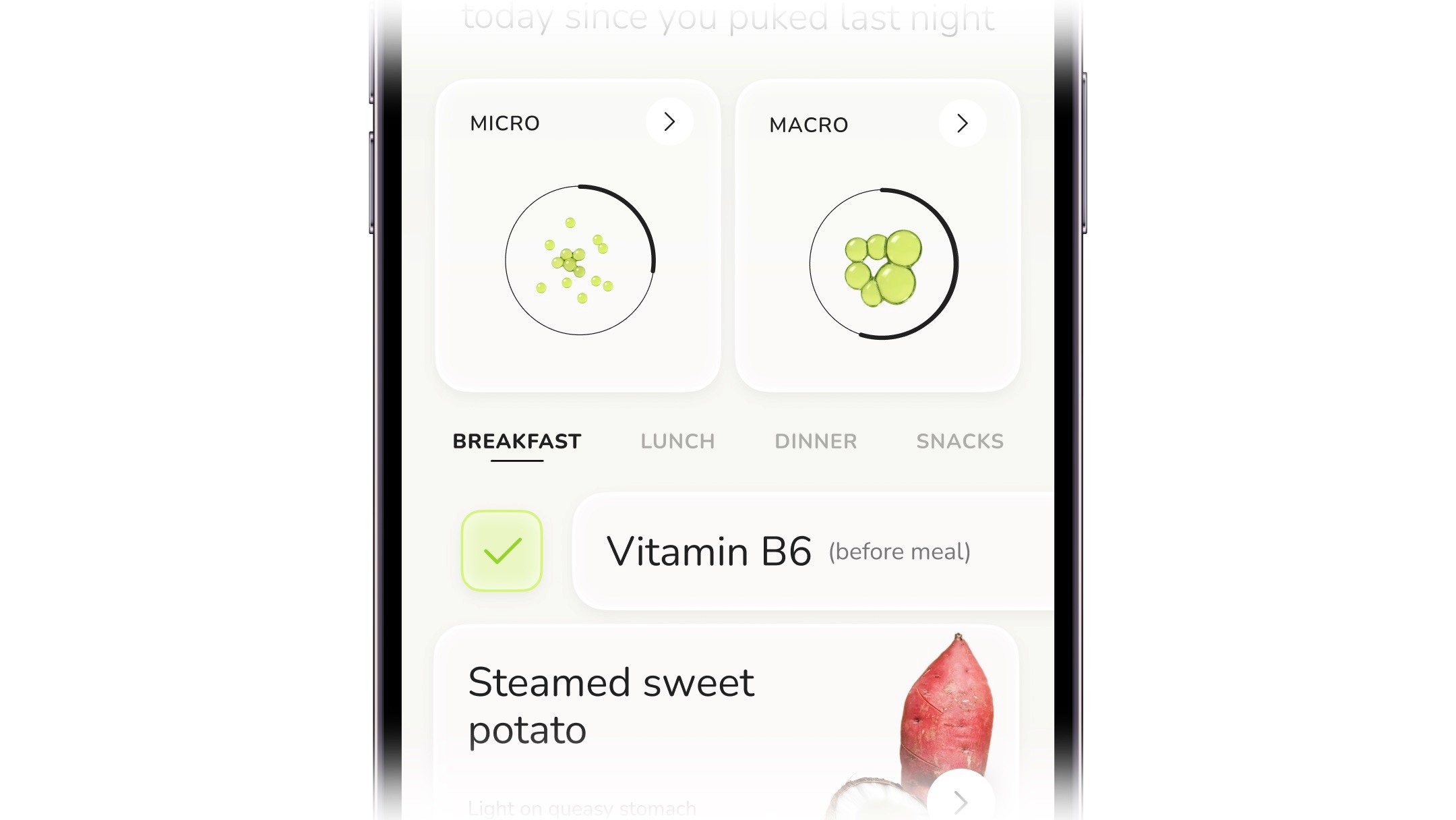
DESIGN 6/6
The future is conversational
REFLECTIONS
Designing for consent My first instinct was to automate relief activation. Killing that feature taught me that in high-stakes health products, friction can be a feature — the consent prompt isn't a UX cost, it's what makes the system trustworthy.
Thinking like a systems architect Personalizing recommendations forced me to ask questions designers rarely own: what data does the model need? what gets retrieved? what must never leave the device? This project left me a more systems-literate designer.
Speculative doesn't mean Untethered The real-time HRV-to-stimulation integration doesn't exist yet, but HRV sensing does, median-nerve stimulation does, and both are FDA-cleared. Speculative design earns its credibility when every piece is individually real.
WHAT I WOULD DO NEXT..
Close the loop with clinicians
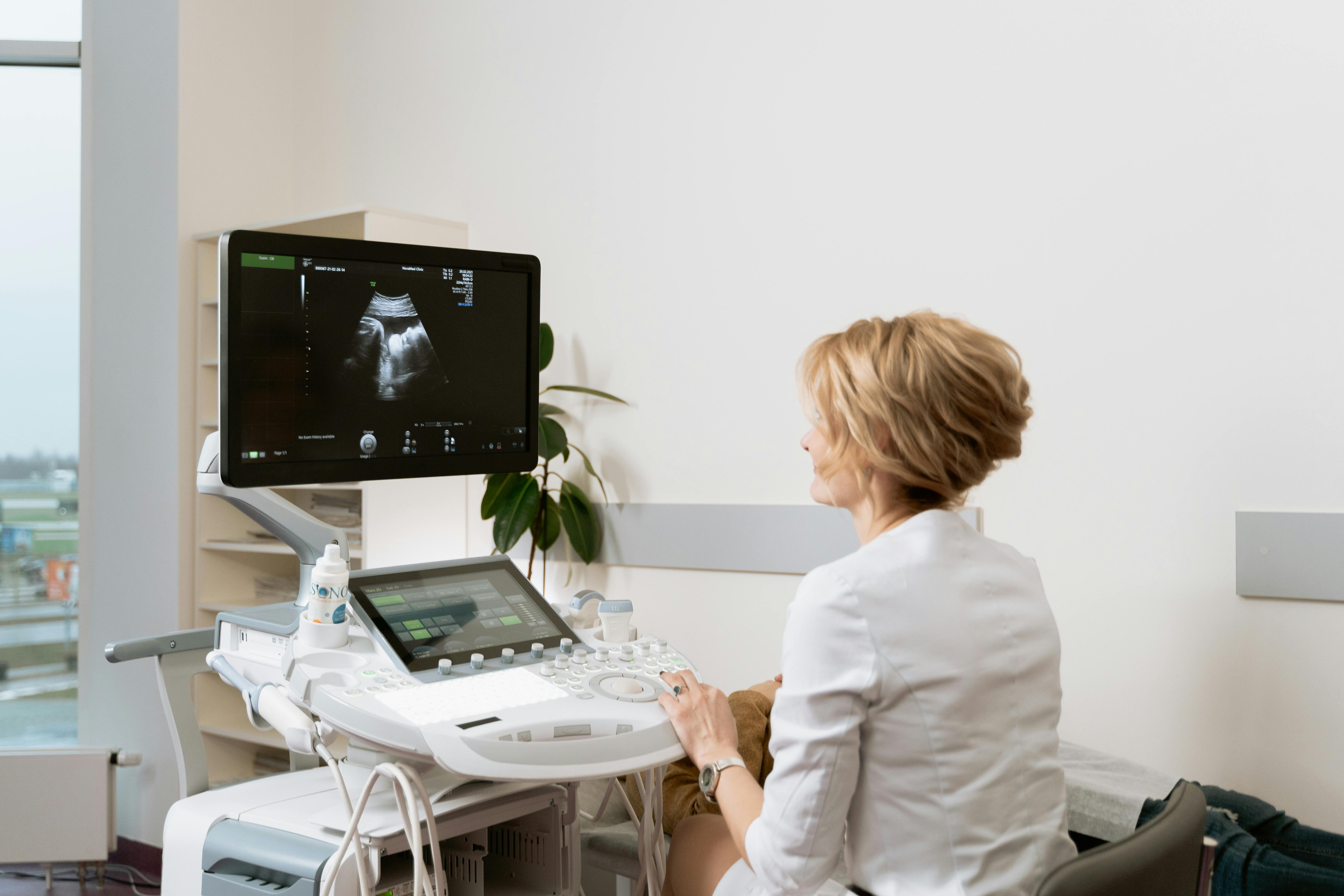
Mira.ai's nourished mothers lived happily ever after.
fin.