
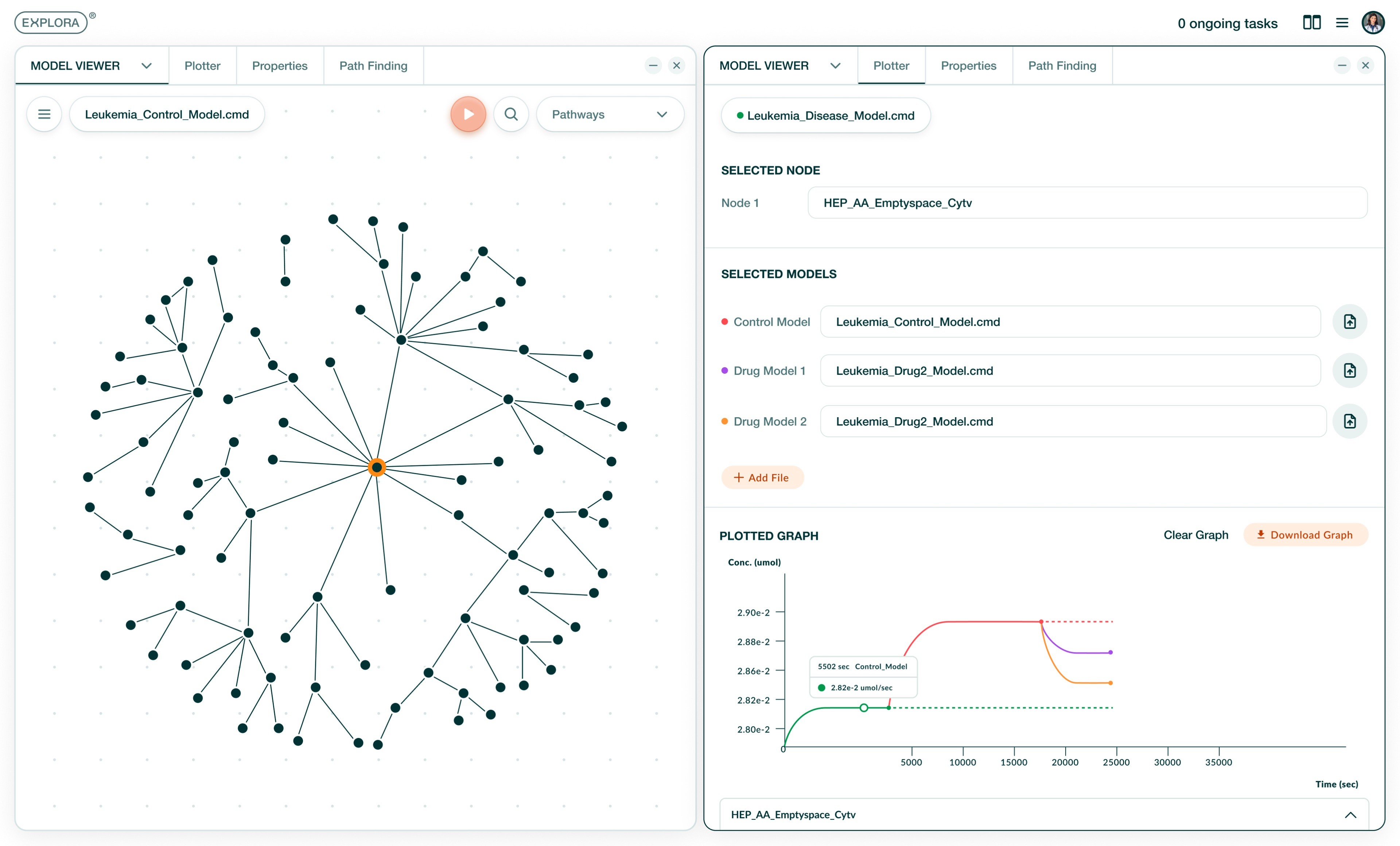
Product Explora
A specialized biotech tool designed to accelerate cancer research. By unifying complex drug simulations and AI-driven cell modeling, Explora helps scientists identify personalized therapies for patients in record time.
Details
Web-based tool , IDE
surface
Founding Product Designer (individual designer)
project managed by Twist Open UX
CEO∙1 Product Manager∙1 Front-end Dev
team members
0 to 1 Product Strategy ∙ UX/UI ∙ Design System
scope
Problem Digital Chaos
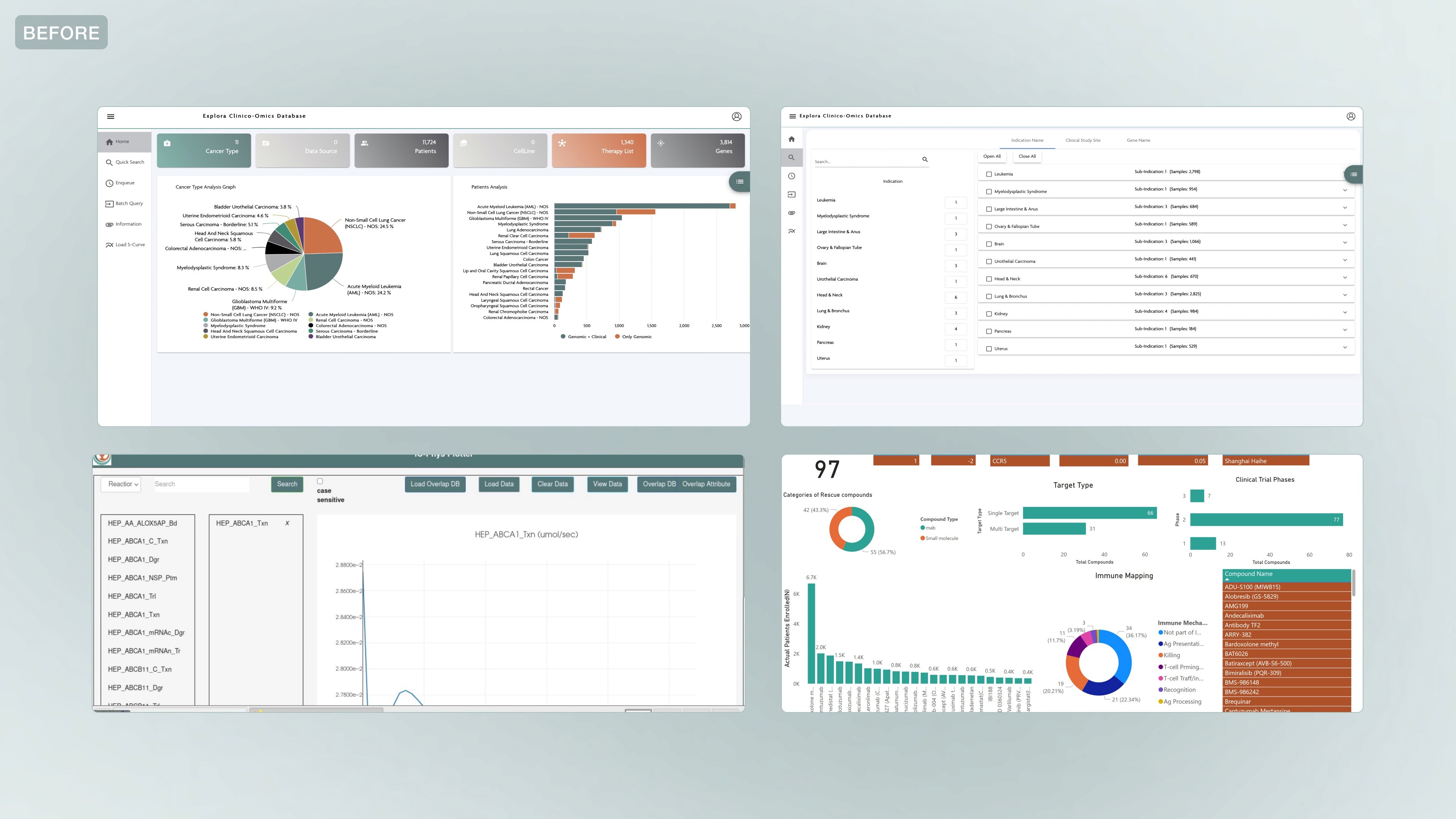
Before Explora (the product), scientists juggled 9+ legacy tools and spreadsheets, causing high cognitive load and long manual tasks that created a productivity lag in cancer research.
Solution A Centralized IDE
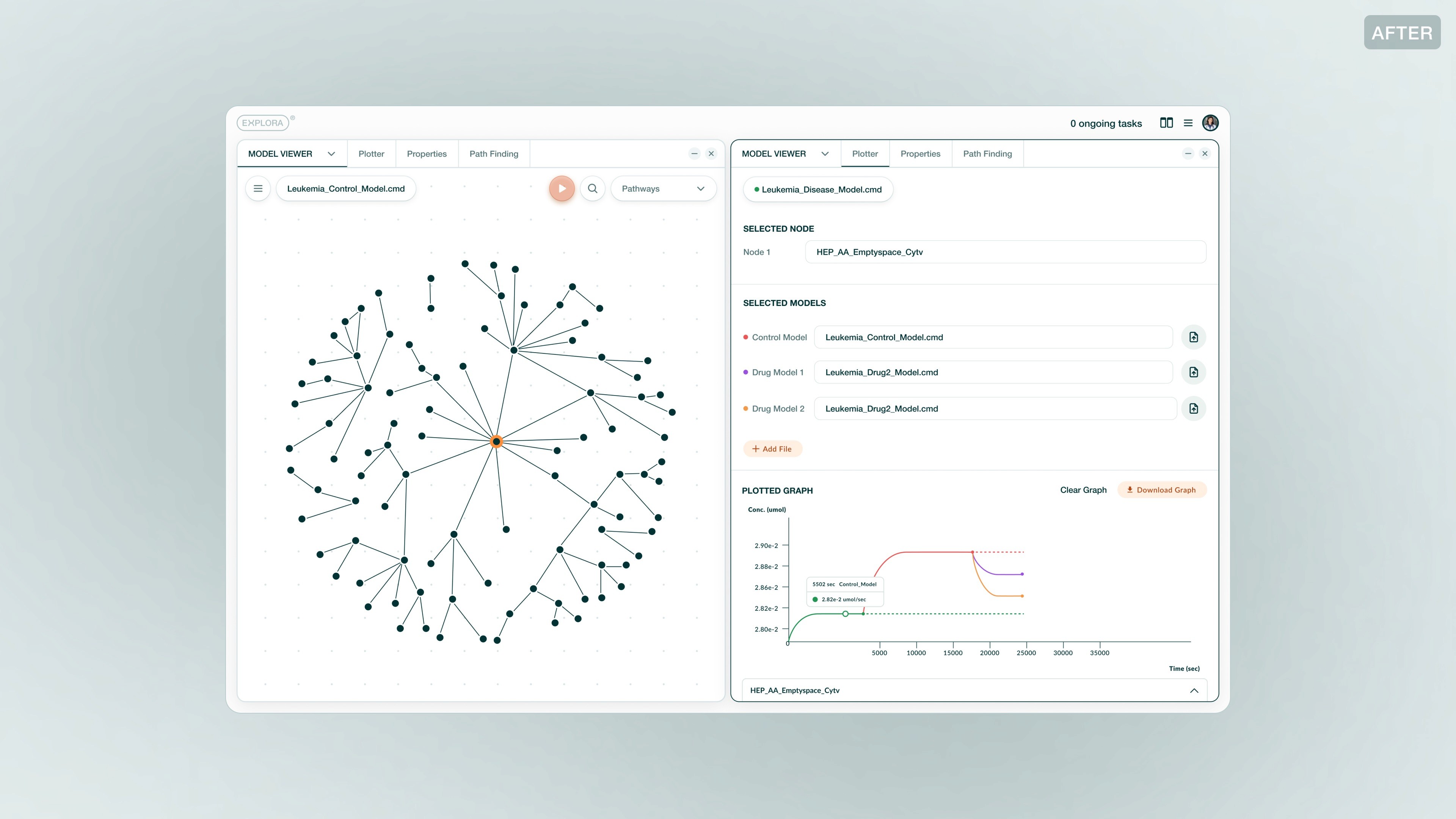
I led the 0 to 1 design to unify fractured systems into a singular IDE, enabling scientists to conduct research within one platform.
Result Productivity Gains
I established the company’s first design system of ~80+ components. Product's first launch ensured 100% organization-wide adoption, reducing task time by 12.5% and saving nearly~$1.2M in annual productivity costs.
Impact
~$
1.2M
Based on ~1 hr/day saved per user
100%
From C-Suite to Research Scientists
9
1
Systems
Consolidated
Unified legacy chaos into a single IDE
CONTEXT
Cellworks is a biotech company focused on curing cancer.
PROBLEM
Scientists' & engineers' productivity was at an all-time low. Their tools & systems were slowing them down, delaying research.
GOALS + NORTH STAR
To design a unified R&D platform, from the ground up to accelerate the delivery of personalized cancer care.
PROCESS + KEY INSIGHTS
I conducted contextual inquiries and interviews with computational biologists, machine learning engineers, and leadership to map disjointed R&D workflows and visualize a unified research ecosystem.
SOLUTION
BRANDING
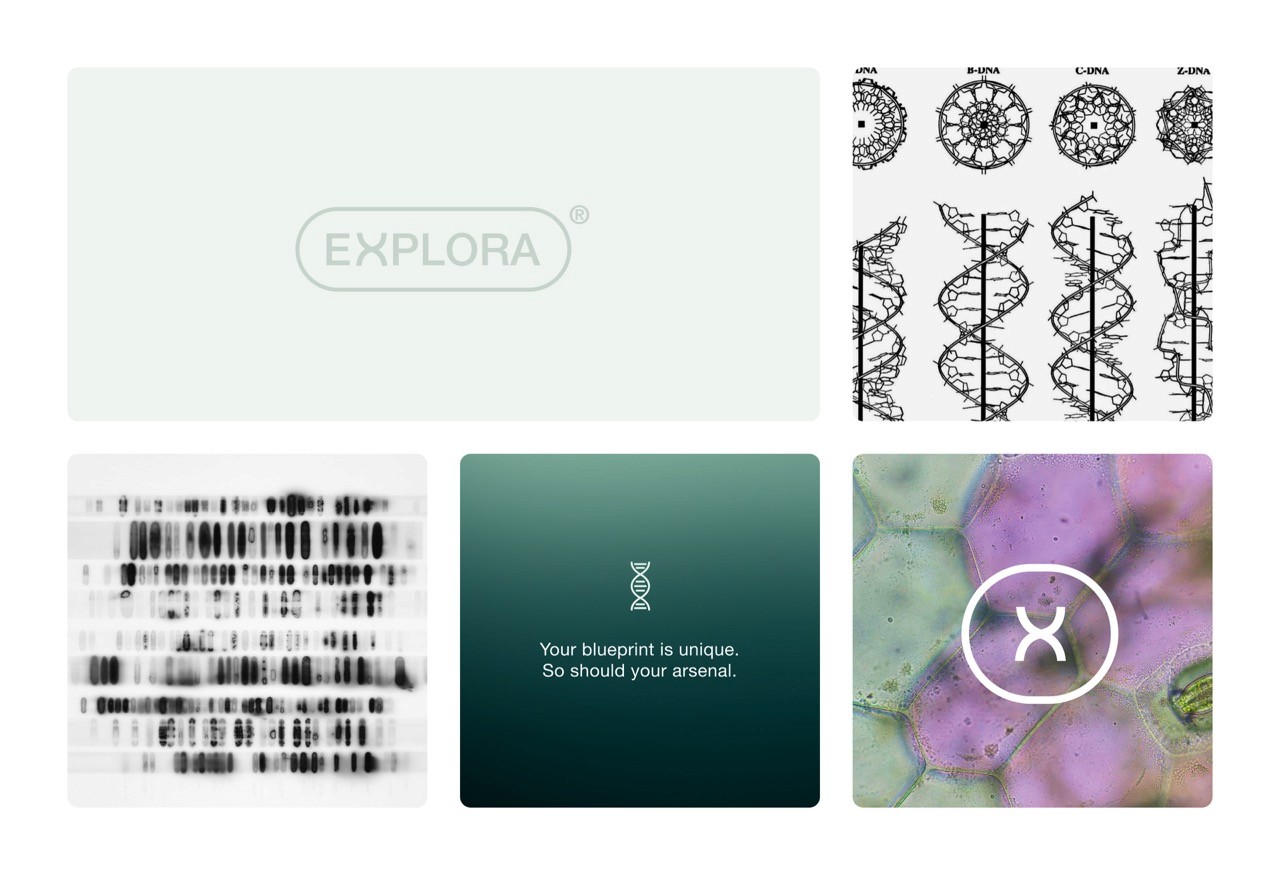
Logo inspired by the intertwining of the DNA strands, the unique makeup of a human. The 'X' in 'Explora' replaces the letter.
DESIGN 1/3
The Split-Workspace Grid
enabling parallel reasoning
DESIGN 2/3
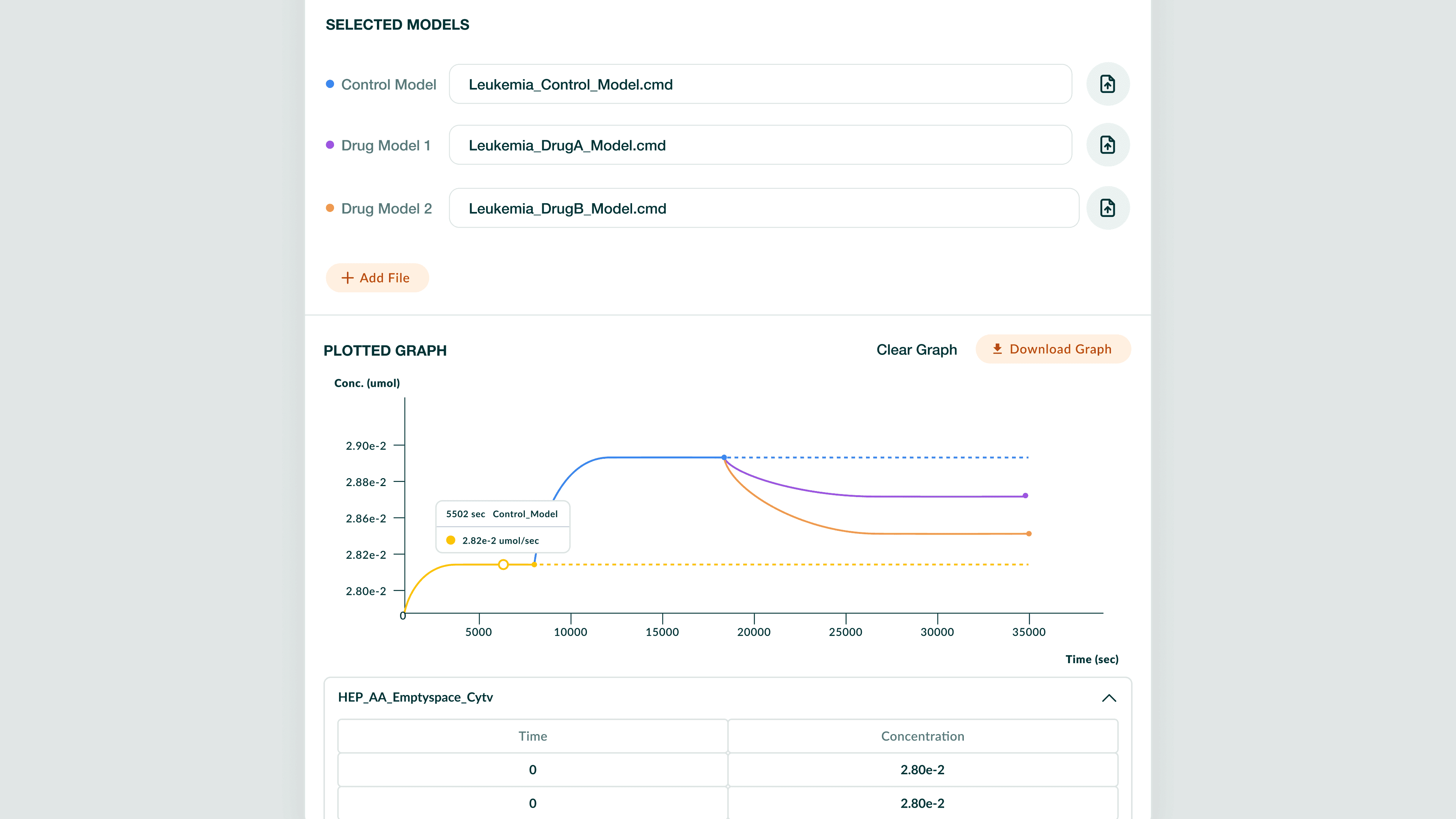
The Plotter
accelerating insights by visual synthesis
DESIGN 3/3
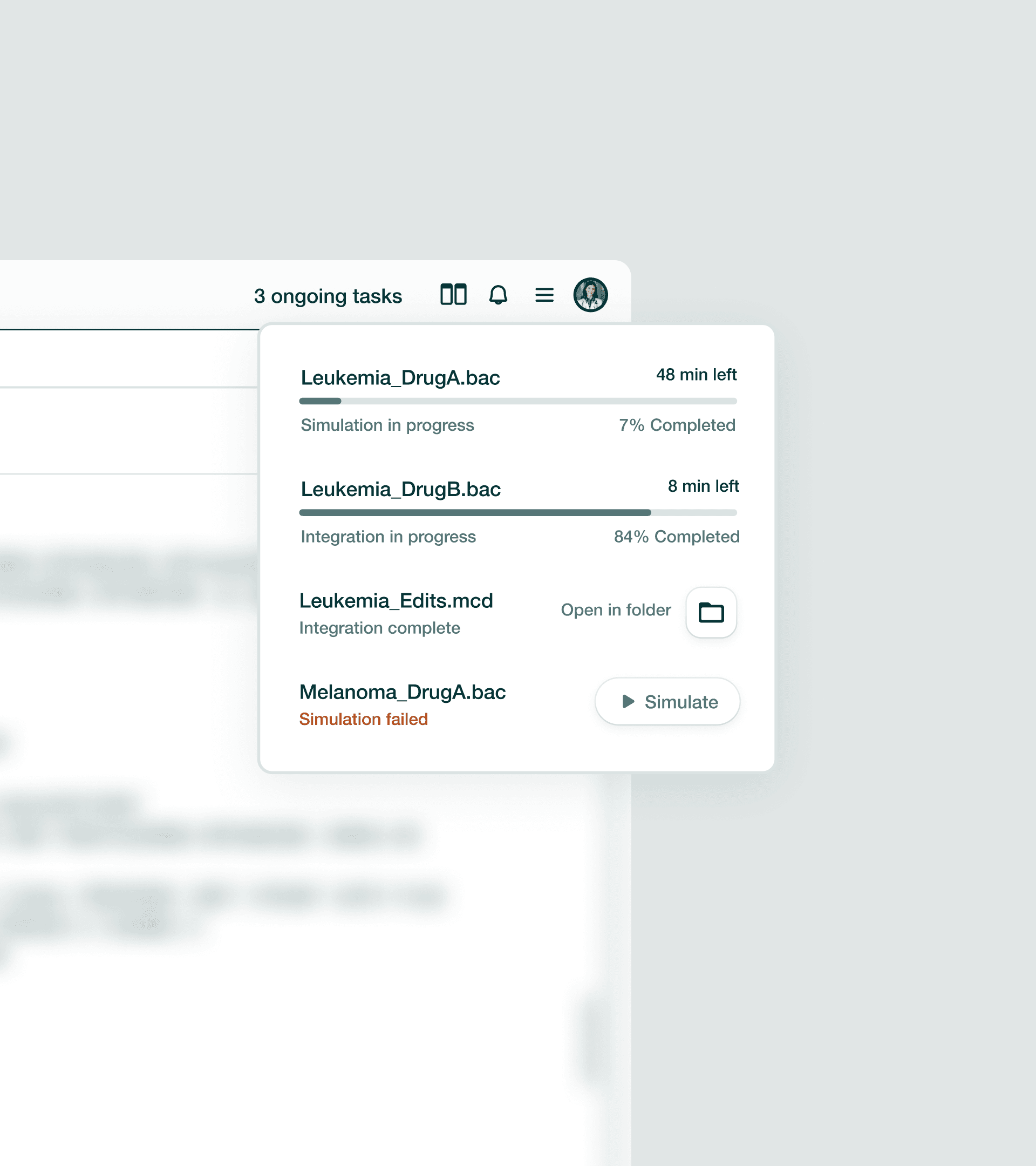
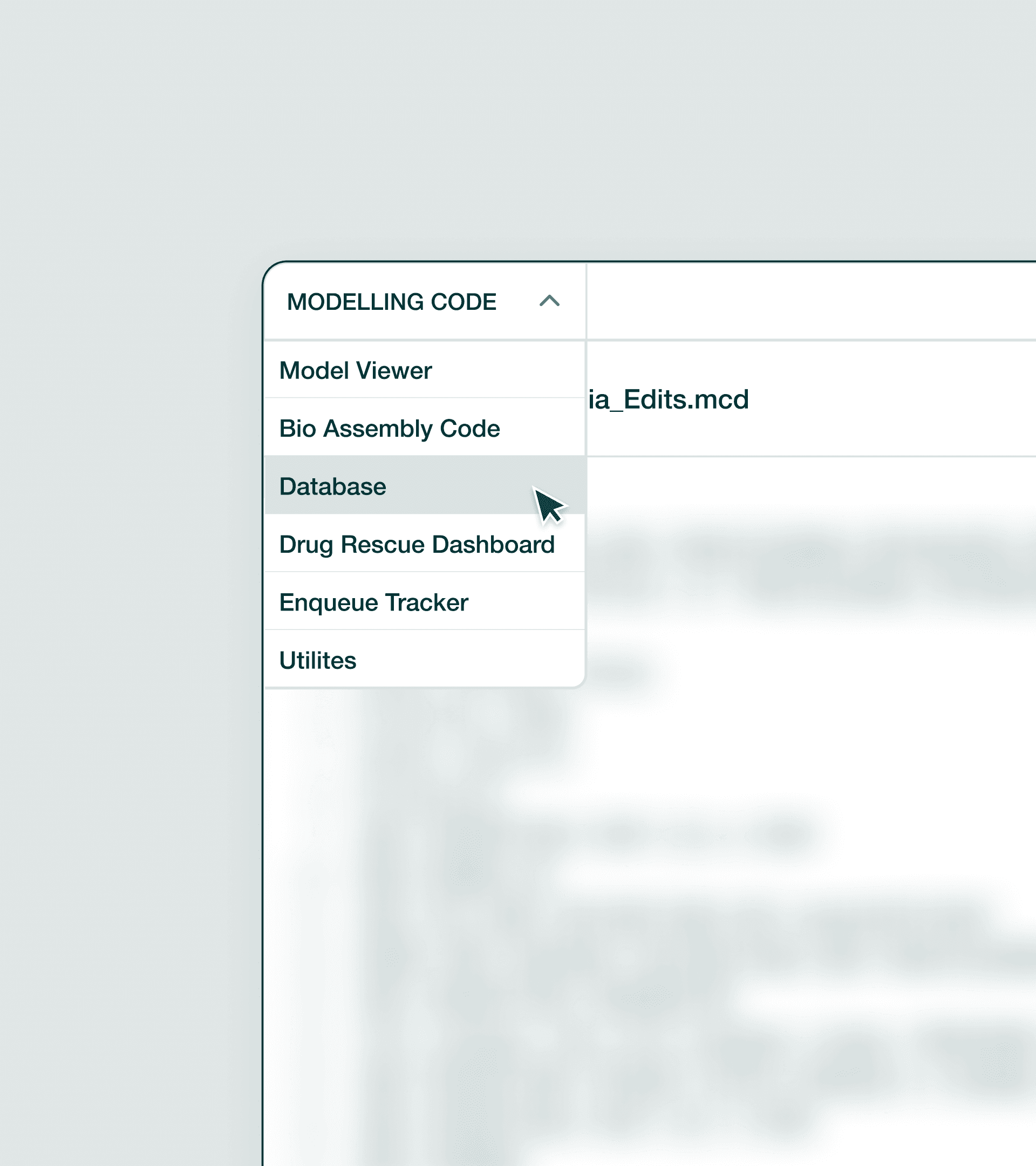
The Progress Bar & View Selector
eliminating research downtime
REFLECTIONS
Need for a Deep Domain Understanding: To design for experts, you have to understand their world. By diving into bio-modeling science, I moved from just "translating requirements" to becoming a co-innovator who made complex data more actionable.
Learning the Art of Prioritization: Working as a solo designer taught me how to prioritize. I built a lean, 80-component foundation instead of a bloated system, allowing us to hit a tight launch deadline while keeping the platform scalable.
Designing to reduce Cognitive Load: Combining fragmented tools was about psychology, not just tech. By creating a "one-stop" workspace, I reduced the cognitive strain of tool-hopping, helping scientists stay focused on their research instead of their software.
WHAT I WOULD DO NEXT..
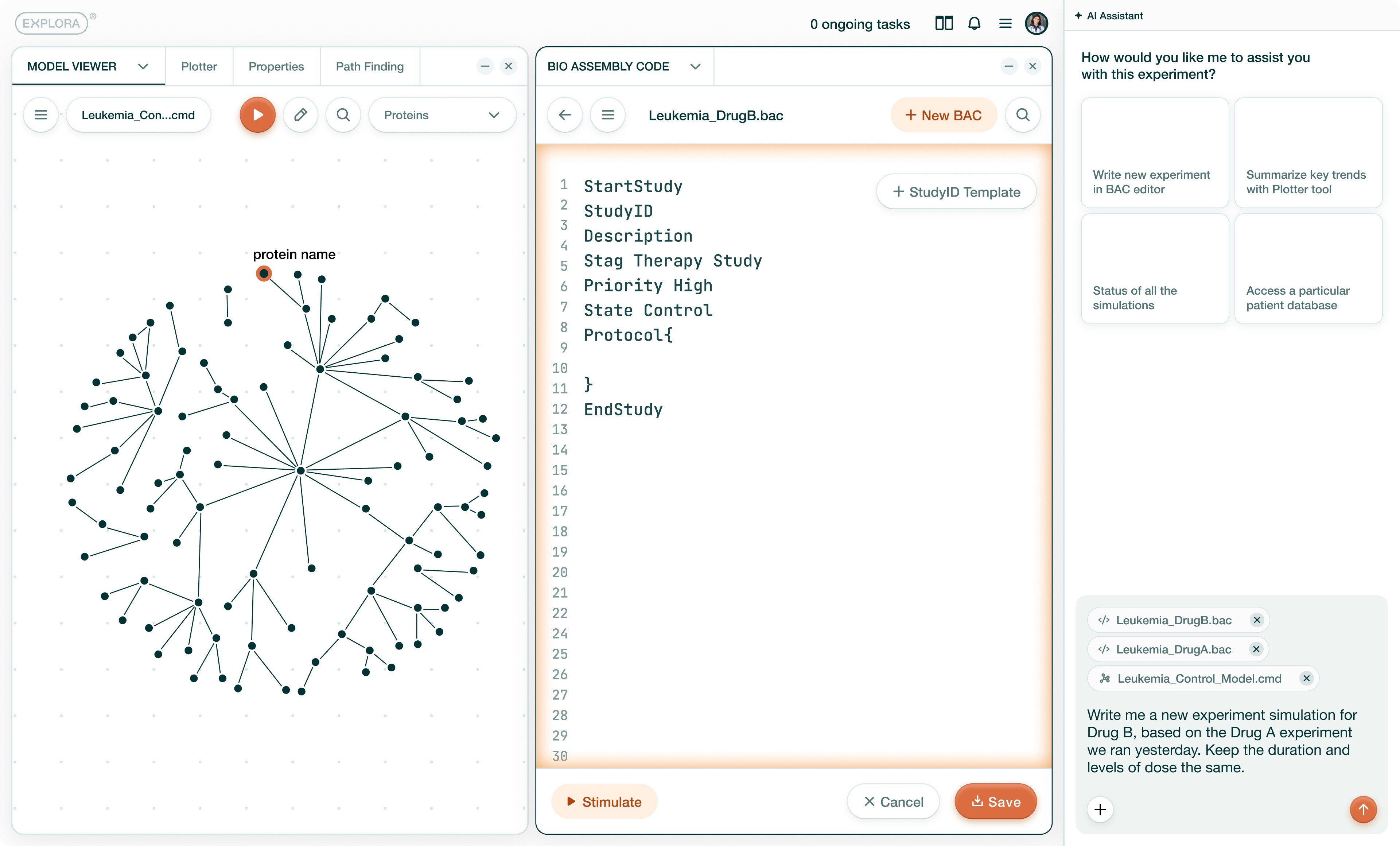
Introduce an AI-powered chat assistant
Biotech is one of the fastest growing areas where AI is being used extensively for research. Leveraging it, I'd focus on introducing an AI-powered chat assistant primarily focused on automating many of the daily tasks.
Experiment a little with the homepage design
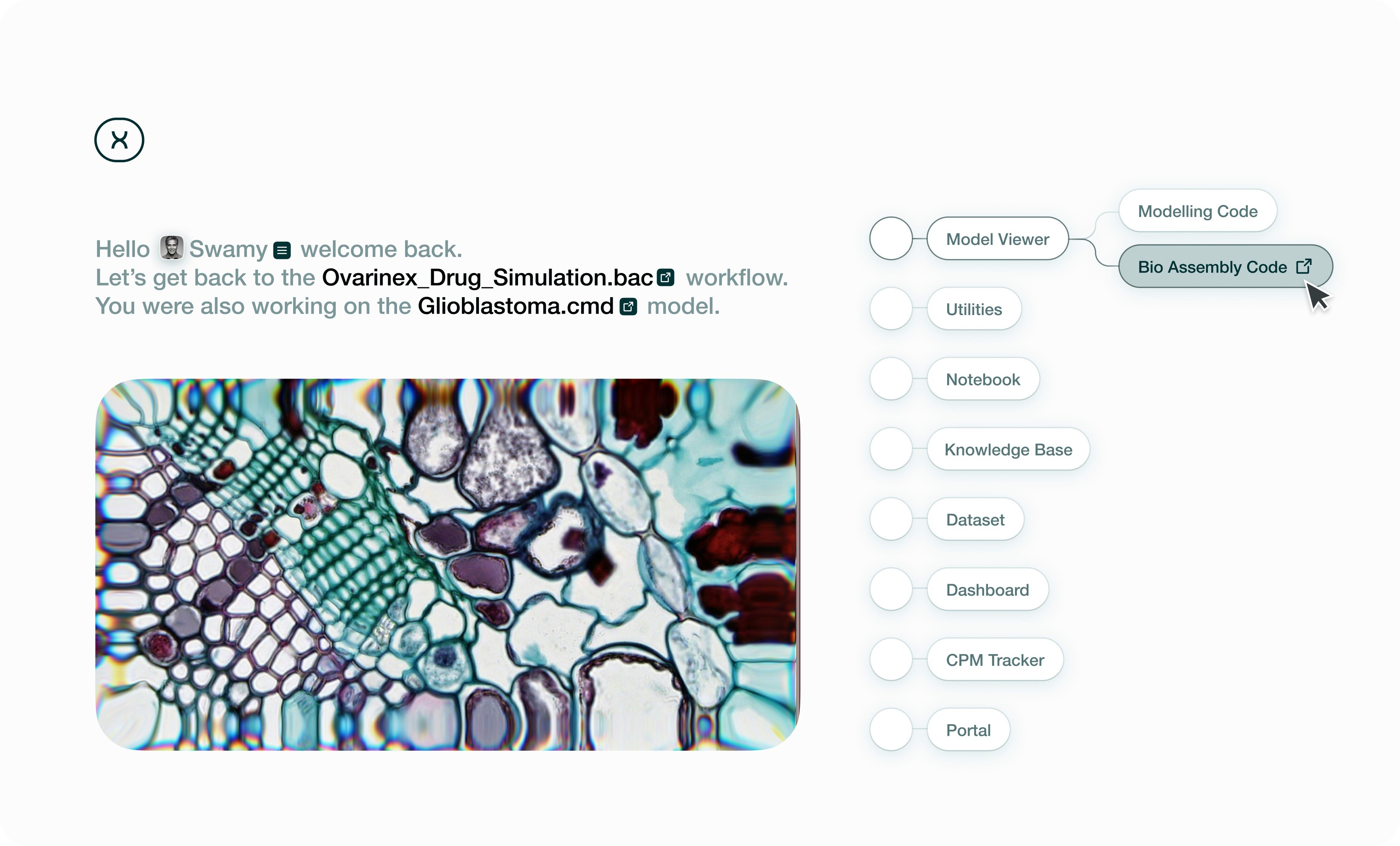
Here is a conceptual user interface that I designed as an answer to the question: what would a conversational homepage looks like?
Explora's smart scientists and engineers lived happily every after
fin.